
Dresden
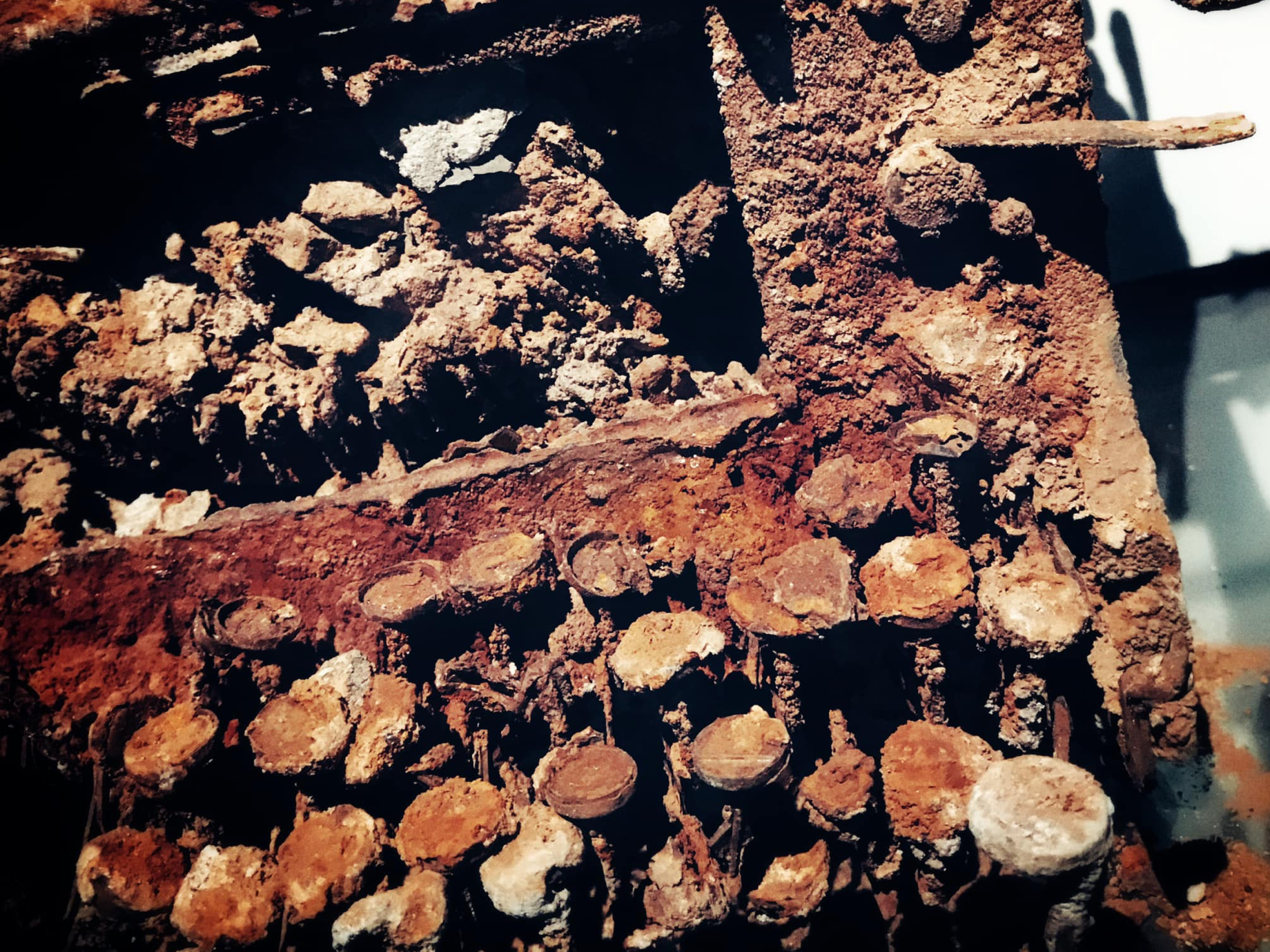
Typewriter, Dresden © Erin Faith Allen
Before the bombs fell, they called it the Florence of the Elbe.
On the night of February 13, 1945, that city ceased to exist. The RAF came first, then the Americans. Over three days, more than a thousand heavy bombers reduced Dresden's medieval streets, its baroque palaces, its churches and galleries and homes to ash and rubble and the smell of burning that the survivors said permeated everything for weeks. Between 22,700 and 25,000 people died. Many more carried it forward in their bodies for the rest of their lives.
I have walked these streets. I have sat in the cafes and looked at the rebuilt skyline and tried to hold in my mind simultaneously what it is now and what it was. This is what I do in every city that war has touched. I cannot help it.
In the museum there is a typewriter that survived the firebombing. I stood in front of it for a long time.
I thought about the hands that last touched those keys. I thought about every person in that city who endured what the night of February 13th brought down on them from the sky. The ones sheltering in basements while the fire consumed the air above them. The ones who walked out into the morning. The ones who did not.
The typewriter survived. It sits behind glass now, keys still intact, in the museum of a city that rebuilt itself from nothing.
The typewriter survived, but I keep thinking about the hands.
Erin Faith Allen is an investigative war historian and the founder of Fortitude Research, specializing in WWII archival research, wartime reconstruction, Holocaust documentation, and the recovery of women's wartime histories. She is a leading authority on the 42nd "Rainbow" Infantry Division and the liberation of Dachau concentration camp. Her forthcoming book, One Day Over the Rhine, is in active development.
All original photographs and written work published on this site are copyright Erin Faith Allen. Historical and archival images are used where they exist in the public domain.
```