What PTSD Actually Looked Like in 1945 Before We Had the Word For It
The diagnosis did not exist, but the damage did.
Post-traumatic stress disorder was not in the diagnostic vocabulary in 1945. It would not be formally recognized by the American Psychiatric Association until 1980, thirty-five years after the end of the Second World War, following the sustained advocacy of Vietnam veterans and the mental health professionals who treated them.
But the condition existed. It has always existed.
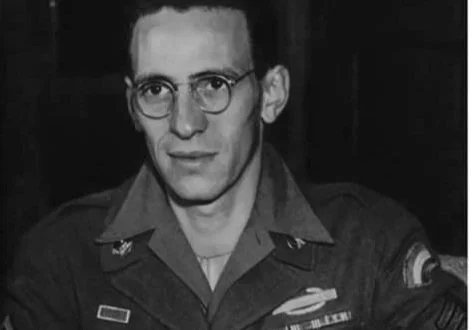
Vito Bertoldo: The Man the Army Didn’t Want
The United States government looked at Vito Bertoldo and said: not you.
He was 4-F, what the Selective Training and Service Act of 1940 established as unfit for military service. To be 4-F was to be deemed physically, mentally, or morally disqualified from service. For many men this was a welcome reprieve, but for some it was a point of contention, humiliation, and a catalyst for determination.
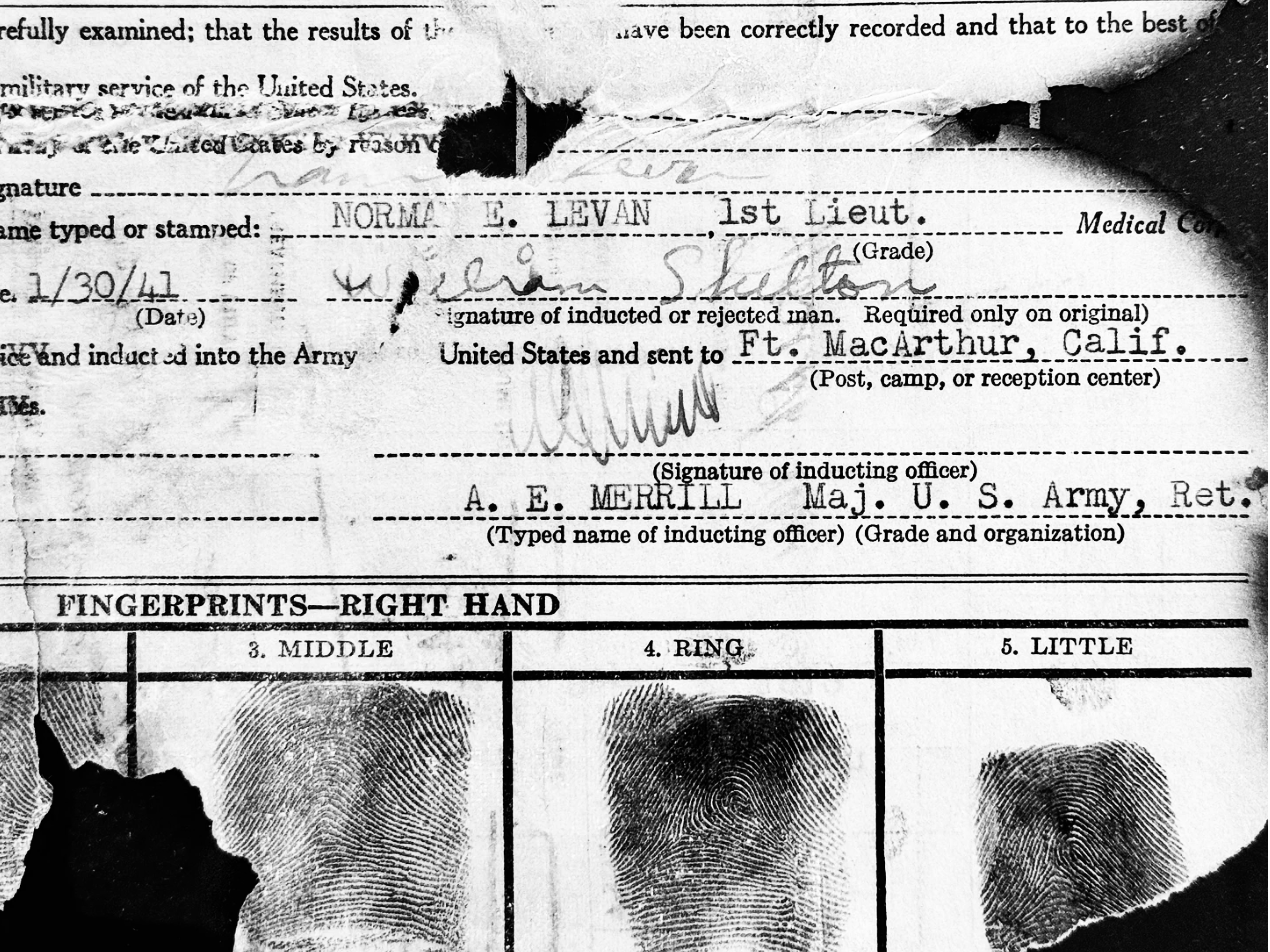
Vito Bertoldo had nearsightedness so severe that the Army rejected him, and stamped a document saying he was exempt from the draft. The machinery of wartime America, which was consuming men by the millions, looked at this coal miner from Decatur, Illinois, and determined he was not fit for the fight.
He enlisted anyway.